How RNG Creates Unpredictable Outcomes
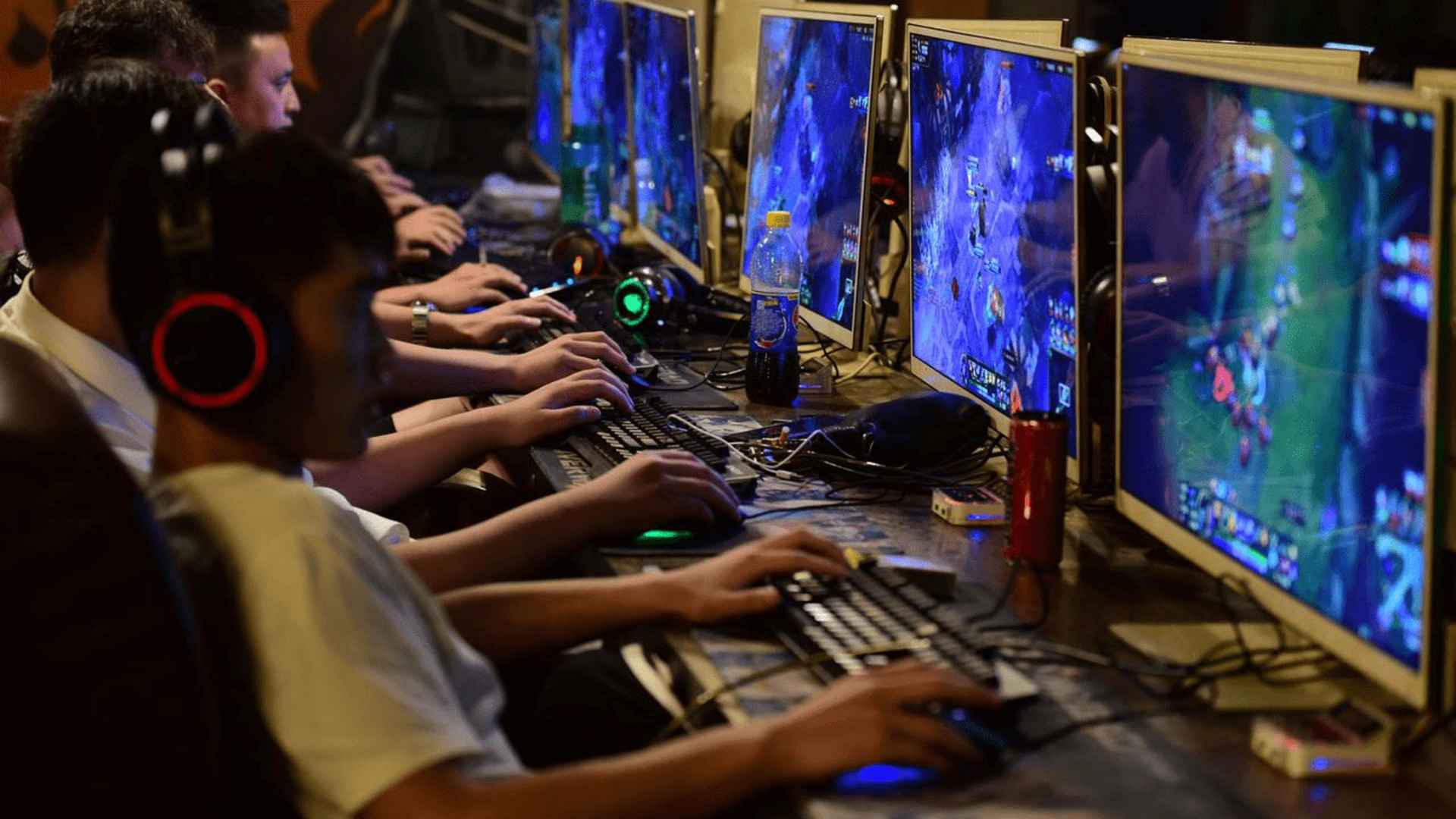
Modern digital platforms rely heavily on hidden mathematical software to deliver dynamic and fair experiences to users worldwide. At the center of this structural framework is Random Number Generator technology, which ensures that virtual actions occur without linear patterns. Without these advanced calculations, digital entertainment systems would lack the core element of surprise that keeps audiences engaged.
The Core Mechanics of Digital Uncertainty
Computers are inherently logical machines designed to follow deterministic rules, making true randomness a unique engineering challenge. To simulate chance, developers implement complex formulas known as Pseudo-Random Number Generators that calculate massive numerical sequences. These systems start with a baseline value called a mathematical seed, transforming it instantly into an isolated outcome.
Because the calculations occur within milliseconds, the resulting data stream appears completely random to the human observer. Each new action remains completely separate from what happened previously, preventing predictable cycles from forming over time. This continuous processing forms the unseen foundation of structural integrity across all modern gaming architectures.
How Algorithms Maintain Unbiased Distribution
Achieving structural fairness requires that every possible variable has an equal mathematical probability of appearing during operational cycles. Specialized software constantly shuffles algorithmic variables, ensuring that no statistical bias favors a single repetitive result. This strict technological standard prevents advanced users from mapping out future sequences or exploiting systematic patterns.
Regulatory compliance agencies regularly audit these underlying systems to verify their statistical distribution across millions of test iterations. Enthusiasts seeking verified platforms frequently use specialized hubs like M88 togel to find certified environments that utilize fully audited software engines. By maintaining transparent operational standards, modern entertainment operators successfully build long-term consumer trust globally.
Enhancing Realism in Virtual Environments
Beyond simply providing fairness, random numerical software directly impacts the overall design and replayability of interactive entertainment titles. Unpredictable environmental changes, random item distribution, and varying opponent strategies all rely on real-time algorithmic generation. This variety forces players to adapt their strategies constantly rather than simply memorizing repetitive movement patterns.
As digital platforms transition toward cloud infrastructure and mobile delivery systems, the demand for highly efficient generation engines increases. Software engineers must continually optimize these algorithms to run efficiently across diverse hardware setups without introducing operational lag. Ultimately, the constant refinement of this technology ensures that virtual landscapes remain endlessly engaging and structurally secure.