Recent Post
Exploring Custom Table Options In Poker Applications ...
Online poker enthusiasts understand that the digital environment directly impacts strategic focus and multi-table management during extended sessions. Standard software designs often limit the scope of player interactivity, making personalized modifications a crucial feature for competitive participants. Exploring the variety of custom table configurations available in modern applications reveals how minor visual updates significantly improve gameplay ergonomics.
Enhancing Visual Clarity with Felt and Background Customization
The primary advantage of custom layouts lies in reducing optical fatigue through tailored color schemes and minimalist backgrounds. Players who manage high-traffic periods across numerous windows frequently change complex table graphics into solid, high-contrast themes. Eliminating non-essential textures and heavy animations lets the mind focus purely on card values and betting patterns.
Furthermore, selecting specialized deck styles, such as four-color decks, decreases the probability of misreading suits during intense tournament runs. Most advanced applications offer easy sliders to adjust background brightness independently from the active card displays. These specialized tools empower individuals to build a highly optimized workflow suited to their specific hardware configurations.
Optimizing Screen Real Estate for Multi Table Management
Efficiently arranging multiple digital arenas requires robust window management tools built directly into the client framework. Experienced users often bypass standard grid formulas to implement custom tiling methods that align with their cognitive processing speed. Adjustable border sizing and hidden global chat boxes free up essential monitor space for crucial tracking data.
When assessing these dynamic digital interfaces, exploring reliable portals like m88 link alternatif terbaru provides players with highly stable connectivity options. Combining a lightweight structural application with advanced layout adjustments ensures zero graphical lag during high-stress decision moments. Seamless table switching components allow serious enthusiasts to sustain momentum across separate concurrent matches.
The Role of Interactive Controls and Automated Hotkeys
Custom table tools extend beyond simple visual presentation into functional interactive mechanics that optimize button positioning. Modern clients let players reposition bet slider increments and fold triggers to match their natural mouse movements or keyboard preferences. Mapping repetitive actions onto dedicated key binds limits physical friction and minimizes execution delays.
Additionally, automated action pop-ups can be configured to highlight only the tables requiring immediate strategic assessment. This targeted notification style protects players from unnecessary distractions while managing deep tournament fields. Tailoring these interactive elements transforms the basic application interface into a robust, responsive professional tool.
Data Tracking Overlays and Statistical Integration
Integrating real-time statistical overlays onto personalized table skins represents the highest level of workspace optimization. High-quality software architectures allow third-party tracking suites to align perfectly with custom player seating configurations without blocking vital community cards. Maintaining clear data positioning ensures that historical opponent tendencies remain readable in an instant.
Ultimately, investing time into configuring these internal software settings creates a reliable, personalized ecosystem built for long-term growth. Regular developer optimization updates guarantee that these complex visual layers remain functional across evolving operating systems. Prioritizing custom table options allows serious card players to protect their mental stamina and maximize spatial efficiency.

ff7 remake side quest 18 Side Quest 18 Walkthrough and Completion Guide ...
Final Fantasy VII Remake offers a vast array of engaging side stories that deepen the lore of Midgar and reward players with valuable items. Among the many tasks available in Chapter 14, Side Quest 18 stands out as a unique, narrative-driven objective centered around the vibrant community of Wall Market. This comprehensive guide will walk you through the necessary steps to complete this musical mission efficiently.
How to Initiate the Power of Music Quest
To begin this quest, you need to navigate to the open square located on the eastern side of Wall Market. Here, you will find Betty, a young girl standing near a jukebox who is trying to cheer up the depressed residents of the slums. Speaking with her will officially add the objective to your log and task you with locating three specific music discs scattered around the area.
Locating the First Two Music Discs
The first track you need to find is titled Good Night, Until Tomorrow, which is hidden inside the main Wall Market inn. Simply walk into the crowded lobby and speak with the elderly man resting in the corner to receive this item. The second disc, Stand Up, can be found by checking the narrow alleyway located directly to the left of the Honeybee Inn entrance where a helpful woman will hand it over.
Finding the Final Track at the Colosseum
The third and final music disc required for completion is called Fight On, which takes you deep into the heart of the Corneo Colosseum. Enter the main building reception area and locate the souvenir merchant standing on the left side of the elevator room. You can purchase this final piece of background music directly from his retail inventory for a very small amount of standard gil.
Returning to Betty and Completing the Quest
Once you have gathered all three requested tracks, return immediately to the jukebox square where Betty is waiting anxiously. Interact with the audio device to play each of the newly acquired songs to lift the spirits of the nearby distraught citizens. After the pleasant scenes conclude, Betty will reward your heroic efforts with a specialized manual that unlocks powerful combat skills for Barret.

ready or not black screen startup Causes and Fixes for Startup Problems ...
Launching Ready or Not only to be greeted by a persistent black screen can be an incredibly frustrating experience for tactical shooter fans. This technical issue typically happens immediately upon boot, preventing players from reaching the main menu while sometimes leaving background audio playing. Understanding the root causes behind this startup glitch is the first step toward implementing a permanent solution for your system.
Corrupted Game Files and Mod Conflicts
One of the most frequent triggers for a startup crash is broken data within the local installation directories. Sudden updates or interrupted downloads can corrupt essential assets required to initialize the tactical simulator engine. Furthermore, outdated modifications or leftover custom files from previous game versions often clash with official software patches during startup.
To address this file integrity dilemma, players should utilize the built-in repair tools available on their respective launcher platforms. Navigating to the properties menu and validating the installation database will force the client to download fresh copies of missing elements. Clearing out the dedicated mods folder completely is also highly recommended to prevent legacy scripts from breaking the game launch sequence.
Outdated Graphics Architecture and API Instability
Display disruptions during launch often stem from communication failures between the simulator and your active graphics processing hardware. Outdated video drivers struggle to translate the advanced lighting and rendering techniques used by modern tactical titles. Additionally, selecting an incompatible graphics interface API can cause the software to stall before drawing the user interface layers.
Updating your primary display adapter software to the latest stable release ensures complete compatibility with recent engine optimizations. Swapping the startup parameters to use DirectX 11 instead of DirectX 12 serves as an excellent temporary workaround for older machine builds. This adjustment stabilizes the rendering engine pipeline and successfully bypasses initialization freezes on a wide variety of hardware configurations.
Audio Engine Routing Complexities
An unusual but highly documented culprit behind initialization failures involves how the software interacts with active sound processing systems. When your computer manages multiple virtual audio pipelines or complex software mixers, the engine can get confused while assigning its output nodes. This internal loop digital gridlock frequently results in a locked display state while background assets try to load.
Deactivating secondary audio virtualization tools before starting up the tactical simulator can instantly resolve this specific resource bottleneck. Once the initial boot cycle completes and configurations are saved, players can safely restore their advanced sound configurations. Testing your display behavior by switching between bordered window configurations and dedicated fullscreen modes can also help narrow down hardware compatibility limitations.
Background Software and Management Overlays
Intrusive recording suites, chat applications, and hardware monitors that force visual elements over running games can trigger initialization bugs. These active interfaces intercept critical display calls, which can unintentionally block the application from switching into its primary presentation mode. Temporary security locks from aggressive antivirus suites might also isolate crucial engine files during the boot phase.
Disabling overlay tools within your chat apps and graphic management dashboards minimizes system interference at startup. Creating explicit folder exclusions within your desktop defense software guarantees that required system elements are never blocked. If these configuration tweaks fail, transferring the entire software installation to your primary system solid-state drive can resolve speed-related loading delays.

How Digital Casinos Introduce New Baccarat Variations ...
The landscape of online gaming is continuously changing as operators look for novel ways to engage their audience. Baccarat, a card game traditionally known for its classic appeal, has undergone a major transformation in the digital realm. By blending modern programming with traditional table mechanics, internet platforms successfully introduce unique adaptations to attract different player demographics.
The Transition From Standard Software to Live Streams
Digital platforms originally relied on simple random number generators to deliver classic card gameplay. To introduce innovative formats, developers started incorporating high-definition broadcasting tech that connects users with real dealers. This shift allowed casinos to test side bets and speed alterations that were previously impossible on automated systems.
As these live setups grew in popularity, operators realized players wanted interactive components alongside standard rules. New variations now frequently feature multi-camera angles and customizable community chat options to mimic a physical casino setting. Engaging with these updated live systems is easy once players complete their m88 casino login register process on a preferred network.
Integrating Fast Paced Mechanics for Mobile Users
Modern internet players often prefer brief gaming sessions that fit into busy daily schedules. To satisfy this demand, digital creators developed accelerated versions that significantly reduce the time between betting rounds. By removing the traditional slow squeeze of the cards, automated dealers can finish a game in under twenty seconds.
These fast versions use specialized user interfaces optimized specifically for smartphone screens and mobile apps. Simplified betting grids and instant payout history trackers help users make quick decisions on the go. This technological streamlining ensures that the quick game variants retain high engagement numbers across all mobile operating software.
Using Gamification and Side Wagers to Reshape Rules
Another major strategy involves adding unique prize rules and multiplier mechanics directly onto the virtual table layout. Certain modern versions randomly apply bonus payouts to specific winning hands after all wagers are locked. This introduces an unpredictable element of surprise that changes basic payout expectations without overcomplicating core rules.
In addition to random multipliers, platforms frequently implement progressive jackpots tied to uncommon card combinations. These side choices allow participants to target massive rewards while still enjoying the classic low-risk banker or player choices. These alternative options successfully turn a simple guessing game into a multi-layered strategic entertainment experience.
Beta Testing Formats with Community Feedback Loops
Before launching a brand new card variation globally, digital networks often release the prototype to a small test audience. Gathering early performance analytics helps software developers identify interface glitches and balance betting payouts properly. This data-driven launch method ensures that only the most engaging and secure variants reach the main lobby.
Through ongoing updates and continuous player feedback, online systems can refine rule parameters dynamically over time. If a certain side bet proves unpopular, developers can swap it out for a different mechanic in the next system patch. This flexible digital environment guarantees that table selection remains fresh, relevant, and highly entertaining for global enthusiasts.

Exploring the Most Creative Prize Wheel Concepts ...
The traditional prize wheel has transitioned from a physical carnival fixture into an incredibly diverse tool for digital engagement and interactive marketing. Modern software designers are pushing the boundaries of creativity by implementing dynamic visuals, multi-tiered mechanics, and thematic storytelling into these simple chance-based systems. Exploring these innovative adaptations reveals how developers successfully transform basic micro-interactions into highly memorable user experiences.
The Multi-Layered Concentric Design
One of the most engaging modern concepts is the nested or multi-layered wheel, which features multiple spinning rings working simultaneously. When a participant triggers a spin, the outer ring might determine a base reward category, while the inner rings unlock specialized modifiers or multiplier bonuses. This specific configuration keeps players deeply invested because it increases the strategic depth of a single action without complicating the user interface.
By utilizing concentric circles, developers can design rare progression milestones within a compact visual space. For instance, landing on a specific arrow on the primary layer might trigger an immediate transition to an exclusive inner wheel filled with high-value digital items. This structure successfully captures the element of anticipation, providing casual users with a clear sense of achievement and narrative progression.
Gamified Progression and Unlocking Systems
Another highly creative framework connects the spinning mechanism directly to user progression or a persistent loyalty account. Instead of offering entirely isolated outcomes, each spin contributes experience points toward a larger structural goal or unlocks fresh structural themes over time. Users can access personalized digital aesthetics or superior prize pools by maintaining an active streak on the platform.
Many advanced entertainment platforms integrate these exact progression models to ensure consistent community interaction. Enthusiasts tracking their daily activities often check their accounts via a secure m88 login to test newly unlocked seasonal variations of the interface. This integration effectively transforms an isolated promotional activity into a sustainable component of a comprehensive retention strategy.
Thematic Storytelling and Narrative Integration
Integrating clear storyline arcs and characters represents a substantial leap forward from standard, abstract promotional designs. Creative formats often present the wheel as a functional map, a steering mechanism on a mystical vehicle, or a cryptographic puzzle within an interactive adventure. The visual indicators, text descriptions, and celebratory animations are custom-tailored to mirror the specific aesthetic universe.
This immersive approach completely alters how participants interpret minor outcomes or consolation prizes during their sessions. When a secondary reward is framed as a critical tool or resource for a fictional journey, users feel motivated to keep exploring the system. Narrative framing successfully elevates standard marketing strategies into authentic, entertainment-driven content.
Dynamic Odds and Variable Reward Matrices
Advanced digital structures now utilize automated background algorithms to adjust wheel segments dynamically based on real-time community milestones or specific time intervals. For example, a global community challenge might expand a highly popular jackpot segment for a limited time once a collective participation target is met. This real-time variance turns a solitary interaction into a shared, synchronized community event.
Implementing variable matrices ensures that the core user experience remains consistently surprising and relevant over extended periods. Participants are encouraged to return to the application to observe how external factors or collective milestones have shifted the configuration of rewards. Ultimately, these creative engineering approaches establish sustainable systems that balance individual entertainment with scalable user engagement.

Is Battlefield 4 Cross Platform Between Different Gaming Systems ...
Battlefield 4 remains a landmark title in the first-person shooter genre, offering massive scale multiplayer battles and intense vehicular combat that captivated millions of players worldwide. Originally released across multiple console generations and PC, the game established a dedicated community that still revisits its chaotic battlefields today. However, a frequent question among returning veterans and new players alike is whether the game allows users on different hardware setups to squad up together.
The Multiplatform Landscape of a Classic Shooter
When looking into the multiplayer infrastructure of Battlefield 4, it becomes clear that cross-platform play is not supported between major competing brands. Players utilizing an Xbox console cannot join the same online servers as those using a PlayStation or a PC setup. The networking architecture constructed during the title's development keeps these ecosystems entirely separated from one another.
This rigid separation means that the matchmaking pools are populated exclusively by users within the same brand family. For instance, someone playing on a home computer will only match with other desktop users rather than console owners. While this choice preserved identical control methods within individual matches, it limits the overall community from uniting in a single multiplayer space.
Cross Generation Progression and Limitations
During the transition period between different console eras, developers introduced limited features to help players upgrade their hardware setups. Individuals who moved from older legacy devices to newer systems within the exact same ecosystem were granted a one-time profile data transfer. This functionality allowed users to bring their hard-earned weapon unlocks and multiplayer progress along with them to the newer machine.
Despite this convenient statistics migration, cross-generation multiplayer connectivity was never implemented for the player base. A user operating a modern console cannot join active multiplayer sessions hosted on an older generation device from the same manufacturer. The technical differences in match sizes and graphical fidelity forced the online servers to run completely independent instances of the game.
PC Ecosystem Integration Across Digital Storefronts
The situation on the desktop platform offers a slightly different scenario regarding how players connect online. Gamers are able to purchase and launch the title through various digital distribution marketplaces available on PC. Because all of these versions ultimately connect directly to the same backend servers managed by the publisher, the computer player base remains unified.
This shared infrastructure means that your choice of PC software storefront does not impact who you can play alongside in multiplayer matches. It ensures that the computer gaming community stays centralized, preventing the player pool from splitting into smaller fragments. Consequently, finding populated servers on PC remains much easier due to this combined ecosystem strategy.
Modern Alternatives and the Future of the Franchise
As the video game industry evolved, cross-platform functionality shifted from a rare experimental feature into a standard expectation for major online releases. Modern iterations in the franchise have fully embraced this interconnected model, allowing crossplay across computers and current home consoles right out of the box. This shift highlights how much server technology and platform relationships have changed since the earlier eras of multiplayer gaming.
For those looking to experience large scale warfare with friends on different hardware, newer installments provide the necessary modern features. While the classic infrastructure of older titles cannot be updated to support these contemporary demands, they still offer a pure nostalgic experience within their respective communities. Choosing a newer release is the most practical path forward for modern squad-based gameplay across different systems.
Can You Play Steam Games on iPad Compatibility Guide ...
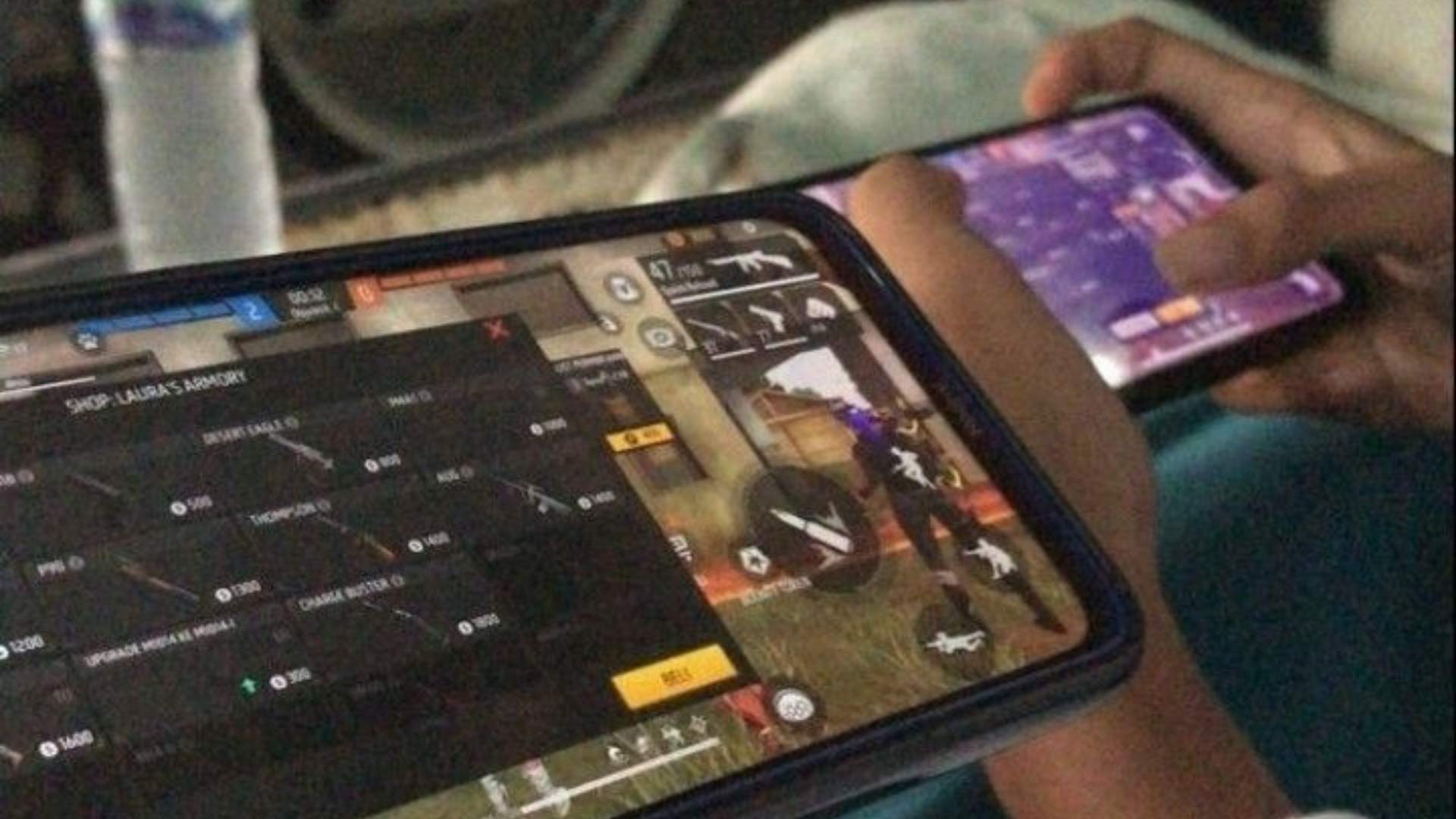
The desire to play desktop-grade PC games on a portable, high-quality screen has led many gamers to eye the iPad as a potential gaming device. While Valve's massive digital storefront offers thousands of titles, the underlying platform architecture creates distinct barriers for mobile users. Understanding how these ecosystems interact is essential for anyone looking to bridge the gap between computer hardware and iPadOS.
The Reality of Native Compatibility
To put it simply, you cannot natively download or install Steam games directly onto an iPad. The software packages hosted on Steam are built specifically for desktop architectures running Windows, macOS, or Linux. Because Apple tablets utilize mobile operating systems and distinct chip architectures, standard desktop binaries are entirely incompatible with iPadOS.
Even though newer iPad models feature incredibly powerful processors capable of running complex computing tasks, platform guidelines prevent direct execution. Apple maintains strict control over application distribution, meaning any software outside the official App Store remains unavailable for direct installation. Therefore, looking for a direct installer will only result in disappointment for eager tablet owners.
Streaming as the Primary Solution
The most reliable method to experience your desktop library on a tablet is through local network streaming. Valve offers a dedicated solution called Steam Link, which mirrors your desktop screen and forwards your tablet touch inputs back to the computer. This method ensures your powerful gaming rig handles all the heavy rendering while your tablet acts as a portable display.
To use this feature effectively, your host computer must remain powered on and actively running the desktop application. Both devices need to be connected to a robust, high-speed local network to avoid noticeable input delay or visual degradation. Utilizing a 5GHz wireless band or a wired network connection for the computer is highly recommended for stable performance.
Alternative Remote Access Methods
Beyond Valve's proprietary software, multiple third-party solutions exist to help players access their remote desktops. Applications like Moonlight and custom game-focused remote tools provide alternative streaming pipelines that often offer advanced optimization metrics. These applications allow you to customize stream bitrates, tweak target frame rates, and map specific virtual inputs to match your personal preferences.
Cloud gaming services also provide a valuable route for those who do not own a high-end desktop computer at home. By utilizing remote servers to process the software, you can experience demanding desktop adventures over a standard internet connection without hardware limitations. This shifts the computational burden away from your household machinery entirely onto specialized external server farms.
Optimizing the Mobile Control Layout
Playing complex desktop titles on a touchscreen layout can frequently prove awkward without the correct hardware accessories. While virtual on-screen gamepads can suffice for slower strategy titles, fast-paced action adventures generally require a dedicated physical input device. Fortunately, modern tablet software natively supports a wide variety of popular console gamepads via standard wireless connections.
Pairing a compatible Xbox or PlayStation controller through your system settings completely transforms the mobile experience into something resembling a portable console. Many streaming applications will automatically recognize these connected peripherals and map the inputs perfectly to match your active game session. Investing in a solid tablet stand or a clip-on grip can further enhance your comfort during extended play sessions.

Exploring New Directions For Digital Prize Wheels ...
The landscape of online rewards is undergoing a major shift as developers seek new ways to engage modern audiences. Traditional promotional concepts are being re-engineered with advanced interactive systems to provide deeper satisfaction. By moving beyond static models, digital gaming networks are discovering fresh methods to merge instant gratification with sustainable user loyalty.
Shifting Paradigms in Modern Interface Design
The standard visual layout of a spinning wheel is receiving a significant overhaul across premium digital properties. Designers are moving away from flat, predictive templates toward adaptive graphical spaces that react dynamically to individual player preferences. This approach shifts the core mechanics from a simple game of chance into a highly personalized multimedia event.
Furthermore, the integration of multi-layered reward mechanics ensures that a single spin can yield varied interactive consequences. Instead of a basic win-or-lose outcome, users encounter branching paths that lead to loyalty milestones, mystery unlockables, or persistent site privileges. This creative direction transforms random selections into a compelling story-driven progression system.
The Role of Real Time Infrastructure and Reliability
To sustain consumer trust, modern online entertainment hubs must invest heavily in backend stability and data transparency. Safe environments depend on seamless connectivity that keeps gameplay loops smooth and entirely uncompromised during peak hours. Ensuring uninterrupted access is essential for maintaining audience engagement over extended operational life cycles.
Leading digital destinations actively prioritize localized infrastructure to bypass regional server bottlenecks. For instance, players looking for a reliable and optimized connection often seek out options like m88 không bị chặn to enjoy an unhindered gaming session. This dedication to technical performance establishes a foundation of credibility that supports the ongoing growth of interactive software portfolios.
Integrating Immersive Audio Visual Elements
Sensory reinforcement plays a critical role in how modern casual software retains user focus over multiple operational periods. High-fidelity audio, thematic lighting triggers, and synchronized haptic feedback combine to build cinematic tension before the final prize is revealed. These design adjustments transform quick promotional interactions into memorable premium entertainment.
Additionally, seasonal and thematic content updates keep the structural framework feeling continuously unique. Developers can effortlessly modify the aesthetic exterior to match global holidays, sporting tournaments, or cinematic trends without rebuilding the underlying code. This balance of cosmetic flexibility and robust mathematical mechanics ensures long-term operational viability.
The Long Term Outlook for Interactive Selection Frameworks
As virtual and augmented reality applications mature, the next generation of digital wheels will likely move into spatial computing. Players will soon interact physically with customized floating interfaces inside simulated real-time surroundings. This evolutionary leap will deepen connection metrics by turning simple display clicks into natural gestures.
Ultimately, the continuous refinement of promotional mechanics proves that simple concepts possess immense long-term versatility. By combining advanced technical performance with creative design choices, modern operators ensure that random outcome systems remain endlessly appealing. The future of interactive rewards lies in balancing accessibility with deep technological execution.

Resident Evil 4 Stone Pedestal Puzzle Solution ...
The Resident Evil 4 remake brings back classic environmental challenges that test your observation skills while navigating dangerous environments. One of the early hurdles players encounter in the lake area requires locating specific key items to manipulate a strange mechanical device. Successfully resolving this mechanism grants access to the crucial insignia needed to progress further into the village story lines.
Finding the Required Hexagon Pieces
Before you can attempt to solve the central puzzle, you must explore the surrounding watery regions to collect three distinct stone parts. These key items are scattered across the valley and the fish farm zones, often heavily guarded by local infected villagers. Thoroughly checking every chest and altar in these locations ensures you possess all components before returning to the dock pedestal.
Missing even one segment prevents the circular mechanism from functioning correctly, forcing you to backtrack through dangerous paths. Once all three parts are placed into the empty slots, the interactive display will activate and allow manual rotation. Taking time to clear the surrounding area first will give you the peace of mind needed to concentrate on the shifting symbols.
Understanding the Rotation Mechanics
The core challenge relies on shifting clusters of pieces around a central point to recreate a specific image of a sea monster. Each selection rotates three adjacent segments at the same time, meaning a single move alters multiple positions simultaneously. Randomly turning the pieces can quickly jumble the image, making it significantly harder to trace your steps afterward.
If you happen to get stuck, many players choose to reload their autosave to reset the mechanism back to its default arrangement. From the starting state, the solution requires minimal adjustments that can be achieved in just a few precise steps. Paying close attention to how outer borders line up with the static framing helps visualize the correct target orientations.
Step by Step Movement Solution
From the default starting positions, you should focus your movements on the left and top clusters to align the artwork efficiently. Rotate the left section once to bring the primary outer patterns into the correct boundary orientation. Follow this immediately by rotating the top section once to lock the upper half of the aquatic creature illustration into place.
This straightforward sequence properly aligns the fragmented graphics without scattering the surrounding details across the board. The mechanical lock will automatically click open as soon as the final segment reaches its correct destination point. Grabbing the resulting key item allows Leon to unlock the large cave gate and continue his rescue mission down the river.

Best Gun in Cyberpunk 2077 Top Weapons for Every Build ...
In Cyberpunk 2077, your choice of weaponry directly dictates how effectively you can dismantle the dangers of Night City. The game features a deeply customizable attribute and perk system that allows players to specialize in distinct combat roles, from invisible hackers to aggressive frontline brawlers. Selecting the ideal firearm for your specific character build is crucial to maximizing your damage output and surviving high-stakes mercenary contracts.
The Best Handguns for Stealth and Cool Builds
For players who prefer a silent approach, investing points into the Cool attribute unlocks massive damage multipliers when attacking from the shadows. The iconic suppressed pistol known as Her Majesty stands out as a premier choice for these covert operatives. It grants guaranteed critical hits and increased headshot damage while utilizing optical camo, allowing you to clear entire rooms without triggering a single alarm.
Another exceptional choice for stealth enthusiasts is the Pride pistol, which deals incredible single-shot damage to unaware targets. This weapon pairs perfectly with a stealthy Netrunner playstyle that relies on quickhacks to blind or distract enemies before executing them. Utilizing these precise handguns ensures that you can maintain complete control over the battlefield without ever entering a direct firefight.
Top Smart and Tech Weapons for Netrunners
Players focusing on the Intelligence and Technical Ability trees will find immense value in the game's advanced smart weaponry. The Prototype Shingen Mark V submachine gun is a phenomenal tool that automatically locks onto multiple targets and fires explosive rounds. When paired with the Contagion quickhack, this weapon can trigger massive chain explosions that wipe out groups of enemies instantly.
Tech weapons also benefit immensely from high Technical Ability because they can be charged up to pierce directly through solid cover. The Widowmaker precision rifle allows you to safely eliminate threats from behind walls without ever exposing yourself to incoming counter-fire. These highly tactical options turn your character into a futuristic combat coordinator capable of manipulating the battlefield safely.
Unstoppable Power Weapons for Body and Reflex Builds
If you prefer an aggressive approach that forces you straight into the action, focusing on the Reflexes and Body attributes is the way to go. The Sovereign double-barrel shotgun is a devastating choice for close-quarters combatants who love to rush down their targets. It fires both barrels simultaneously when aiming down sights, delivering massive physical force that can knock down the heaviest corporate enforcers.
For mid-range supremacy, assault rifles like the Defender light machine gun offer sustained fire that easily suppresses large groups of hostile gangoons. This playstyle thrives on high health pools and health regeneration perks, allowing you to withstand heavy damage while continuously outputting relentless firepower. Choosing these heavy-duty options ensures you can overpower any threat through sheer physical dominance and high-caliber ammunition.
Semua artikel sudah ditampilkan.